February 27, 2026
Recovering from a vehicle collision involves more than cosmetic fixes — it requires a clear understanding of the collision repair process, choosing the right service provider, and knowing what to expect in terms of quality and support. From initial damage assessment to post-repair follow-ups, expert collision repairs involve a series of precise steps to restore both the safety and appearance of your vehicle. This guide will walk you through each stage of the collision repair journey, helping you feel confident in the process and ready to make informed decisions.
Conduct an Initial Assessment and Estimation
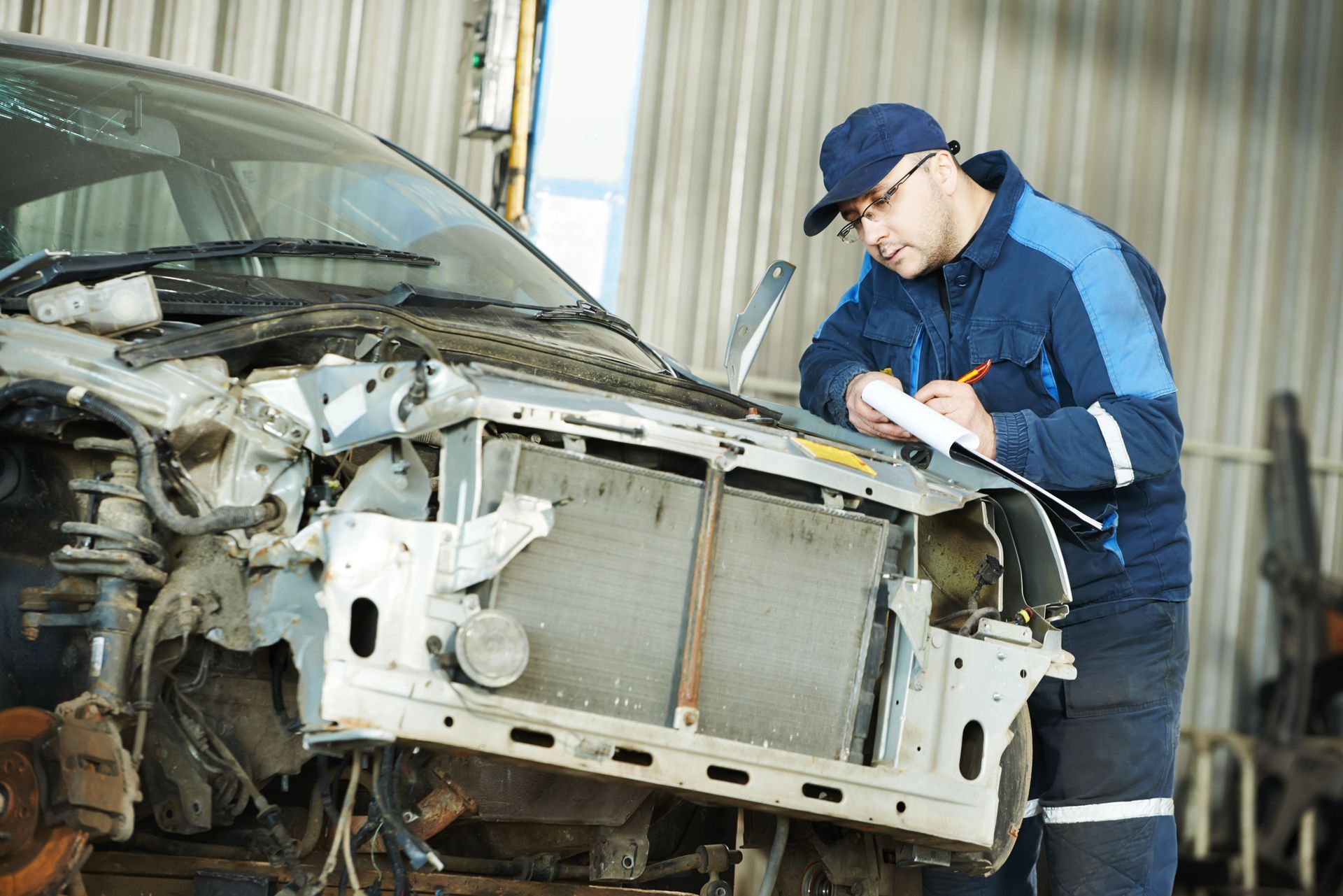
Expert collision fixes start with a thorough assessment and estimation. Technicians carefully inspect the vehicle to evaluate visible damage and identify any hidden issues. Using advanced measurement tools and diagnostic equipment, they capture detailed photos and measurements, producing a comprehensive repair estimate. This estimate not only guides the repair plan but also streamlines communication with insurance providers, ensuring a smooth repair process. Clear explanations at this stage establish transparency and help customers understand the scope of necessary collision fixes.
Perform Disassembly and Damage Analysis
After the initial estimate, the vehicle undergoes disassembly for in-depth analysis. This stage uncovers hidden damage that may not be immediately visible, allowing technicians to refine the repair plan and prevent future issues. According to IBISWorld, the average car body repair shop has at least three employees, ensuring the team can efficiently handle these assessments while maintaining workflow. Professional expertise during this phase guarantees that every component of the vehicle is carefully evaluated, setting the foundation for accurate and effective collision repairs.
Present and Approve the Repair Plan
Once the damage analysis is complete, a detailed repair plan is created. This plan outlines the repairs required, estimated costs, and projected timeline for completion. Approval from both the vehicle owner and the insurance company is essential before work begins. Transparent communication ensures there are no unexpected costs and allows customers to make informed choices. Clear planning at this stage fosters confidence in the repair process, giving vehicle owners peace of mind as their collision fixes move forward.
Execute Repairs and Replace Parts
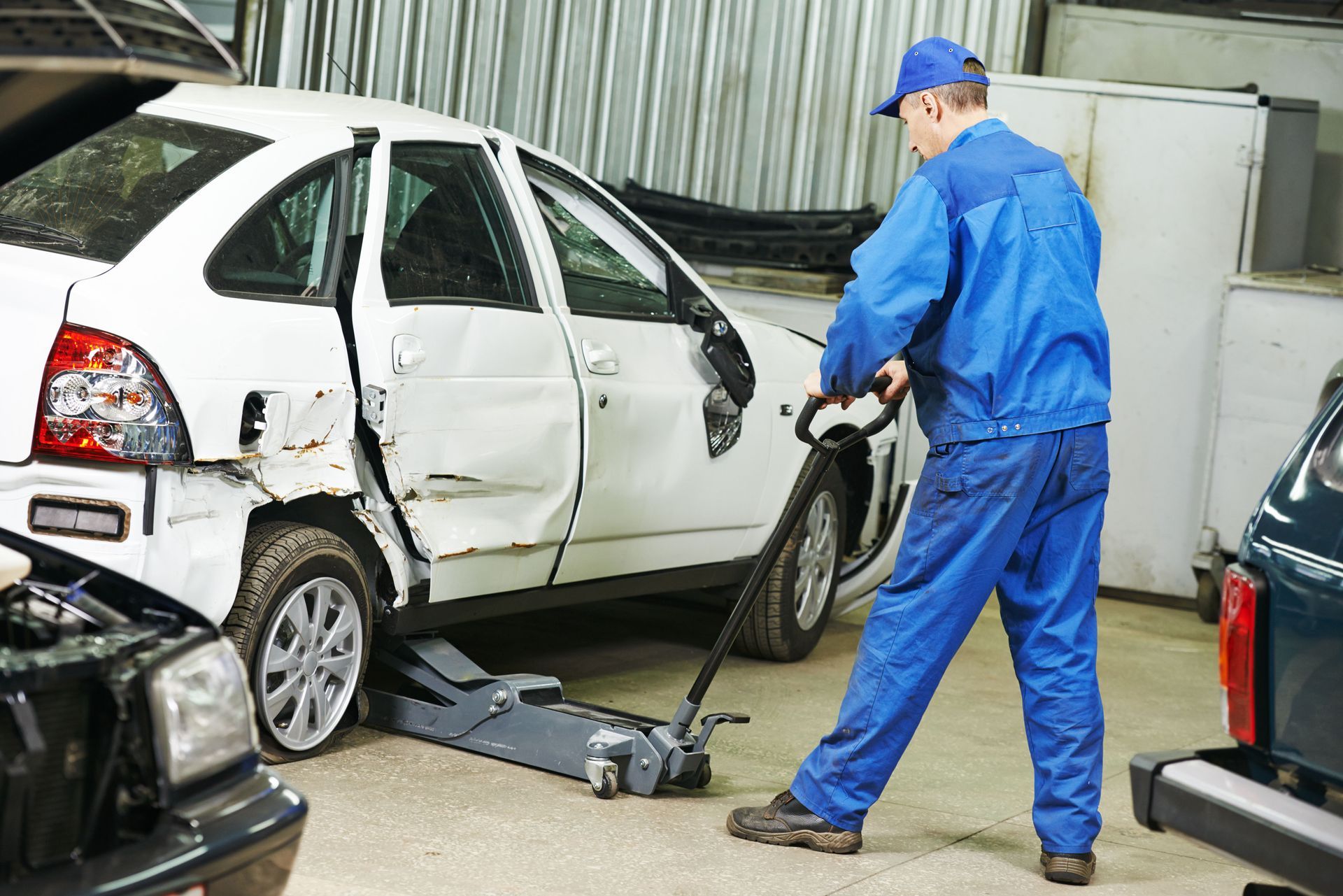
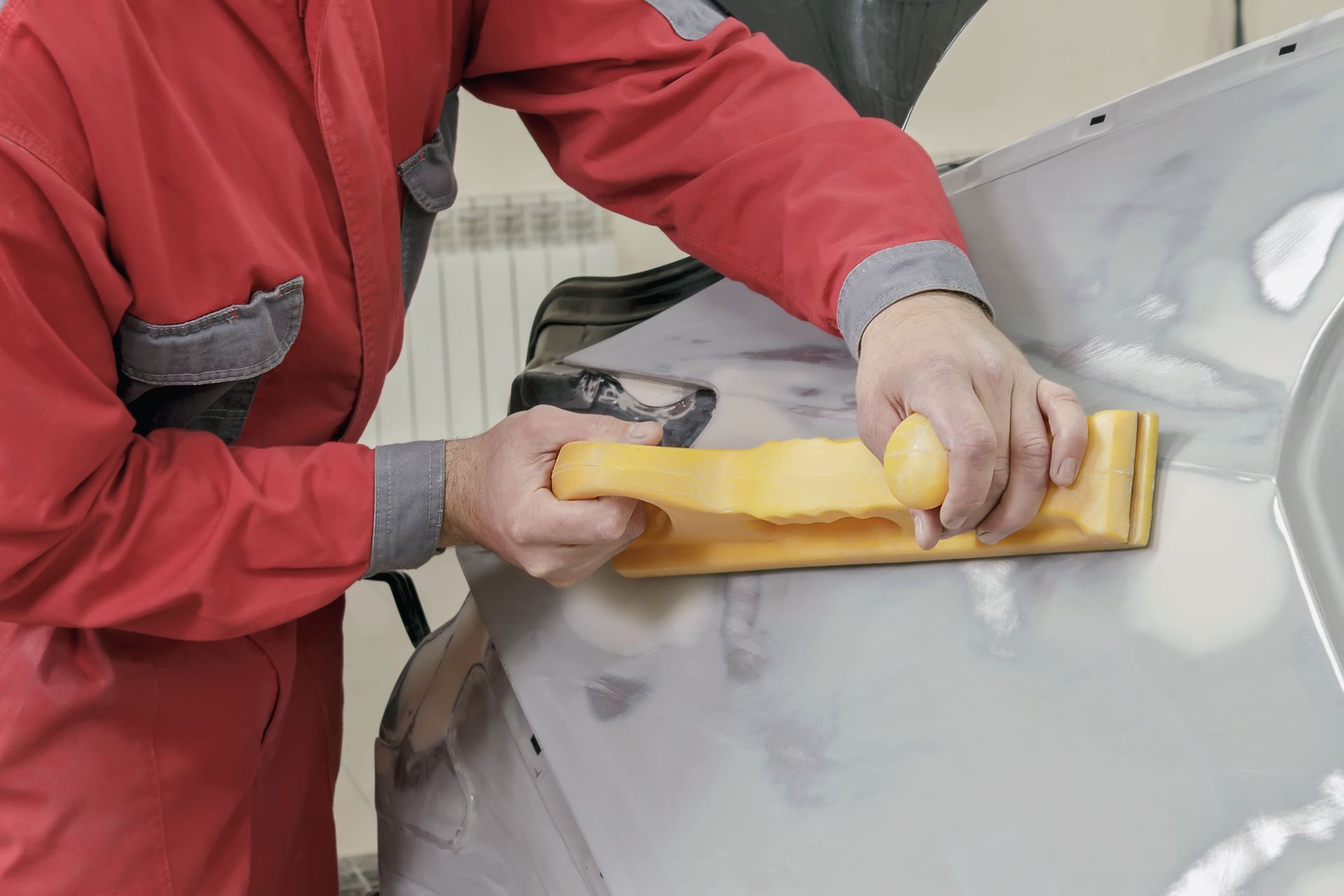
With approval secured, skilled technicians begin performing collision fixes according to the plan. This includes restoring structural integrity, addressing cosmetic damage, and replacing any damaged components with manufacturer-specified parts. Using high-quality, original parts helps maintain the vehicle’s safety, performance, and warranty compliance. Shops can effectively manage multiple repair tasks simultaneously, ensuring efficiency without sacrificing quality. Attention to detail during this phase is critical to long-term vehicle safety and durability.
Conduct Reassembly and Quality Control
Once repairs are finished, the vehicle is carefully reassembled. Every component is checked and tested to ensure proper function, followed by rigorous quality control inspections. Vehicles must meet safety and performance standards before being returned to their owners. Precision during reassembly reflects the professionalism and skill of a collision repair team, confirming that the repair work has been executed correctly. Quality control at this stage is essential for both customer satisfaction and the long-term reliability of collision repairs.
Verify Certifications and Credentials
Choosing a certified repair shop provides assurance of quality and professionalism. Certified establishments must meet strict industry standards, which ensures high-quality service across all collision fixes. Verification of credentials also signals adherence to safety and ethical guidelines. Customers can feel confident that their vehicle will be repaired according to established best practices, with trained professionals handling every step of the process.
Leverage Manufacturer Partnerships
Many certified repair shops maintain partnerships with vehicle manufacturers. These relationships provide access to specialized training, technical updates, and genuine replacement parts. Such collaborations ensure repairs align with original vehicle specifications, preserving safety features and overall performance. Customers also benefit from manufacturer-backed warranties, adding an extra layer of confidence to their collision repairs. Partnering with manufacturers highlights a shop’s commitment to maintaining industry standards and delivering reliable service.
Ensure Skilled and Trained Technicians
At the core of successful collision fixes are skilled technicians. Regular training ensures technicians stay updated on new repair methods, technologies, and safety protocols. A team of at least three employees allows for coverage across various repair tasks, from mechanical work to paint application. Skilled professionals contribute directly to precise, high-quality repairs, improving both the efficiency of the process and the final outcome for the vehicle owner.
Use Genuine Parts and Materials
Expert collision repairs prioritize using genuine parts to maintain vehicle integrity. Original components fit accurately, perform reliably, and uphold manufacturer standards. Employing high-quality materials reduces the risk of future issues, ensuring that the vehicle remains safe and looks as close to its pre-accident condition as possible. The use of genuine parts reflects a repair shop’s dedication to delivering dependable collision fixes that meet both aesthetic and functional expectations.
Follow Industry Standards and Compliance
Certified repair shops must adhere to industry standards and regulatory requirements. This ensures every repair meets safety benchmarks and delivers consistent quality. Compliance protects customers from substandard repair practices and guarantees that vehicles operate safely post-repair. Repair shops that follow these guidelines demonstrate professionalism and accountability, reinforcing customer trust in the collision repair process.
Maintain Transparency in Communication
Clear communication throughout collision repairs is essential for building customer confidence. Explaining repair procedures, costs, and timelines allows vehicle owners to set realistic expectations and feel informed at every stage. Regular updates reassure customers, keeping them engaged and informed. Open and transparent communication strengthens relationships and encourages a positive customer experience, enhancing satisfaction with the repair process.
Assist With Insurance Claims
Navigating insurance claims can be stressful, but many collision repair shops provide dedicated support for customers. From handling paperwork to communicating with insurers, expert teams ensure claims are processed efficiently. Knowledge of insurance procedures accelerates approval and minimizes delays, allowing collision fixes to begin promptly. Assistance with claims demonstrates a repair shop’s commitment to easing the burden on customers and delivering seamless service.
Provide Estimates and Timelines
Offering accurate estimates and timelines is a key aspect of professional collision repairs. Clear cost breakdowns and projected completion dates help customers plan for temporary transportation and financial considerations. Timely updates reinforce reliability and build trust, ensuring vehicle owners feel confident in the service. Meeting promised timelines reflects a shop’s respect for customer needs and strengthens long-term relationships.
Implement Post-Repair Follow-up
After repairs are completed, follow-up communication ensures the customer is satisfied with the work. This stage addresses any remaining concerns and allows the shop to gather feedback for continuous improvement. Proactive follow-ups demonstrate commitment to service quality, reinforcing the value of choosing professional collision fixes and fostering trust for future vehicle needs.
Utilize Advanced Technology
Modern collision fixes benefit from innovative technology, including computerized estimating systems, laser measuring tools, and state-of-the-art repair equipment. These technologies ensure precision, efficiency, and consistent quality across all repairs. Advanced color-matching systems replicate original paint flawlessly, while diagnostic scanning confirms proper operation of electronic components. Incorporating these tools highlights a shop’s commitment to safety, performance, and customer satisfaction.
Offer Quality Assurance and Warranty Coverage
Quality assurance measures, including thorough inspections and record-keeping, verify that collision repairs meet safety and performance standards. Detailed documentation supports warranty claims and provides transparency for customers. Warranties typically cover both parts and labor, offering peace of mind long after the repair is complete. Understanding warranty terms ensures that vehicle owners can rely on the repair shop for ongoing support.
Collision fixes involve far more than fixing dents and scratches — they require transparency, advanced technology, certified technicians, and a focus on long-term performance and safety. At Gustafson Body Shop, we take pride in guiding you through every stage of the repair process, ensuring your vehicle is restored efficiently and safely. With our commitment to quality collision repairs and exceptional service, you can trust us to get your vehicle back on the road in optimal condition. Contact us today to schedule your repair and experience our comprehensive approach firsthand.