April 17, 2026
After a collision or other vehicle damage, many drivers want to know what happens next and how a car can be returned to proper condition. The restoration process involves more than simply fixing dents or applying fresh paint. It often includes a detailed inspection, structural work, surface preparation, paint matching, part replacement, and final quality checks. When repairs are handled correctly, the goal is to restore both the look and function of the vehicle so it is safe, reliable, and visually consistent once again.
That is why many drivers turn to local auto body shops when their vehicles need professional attention. These businesses often guide customers through each stage of repair, helping them understand what damage is present, what work is needed, and what results they can expect. From minor cosmetic flaws to more substantial collision damage, the restoration process follows a series of important steps designed to bring a vehicle back into shape with care and precision.
Assessing the Full Extent of Damage
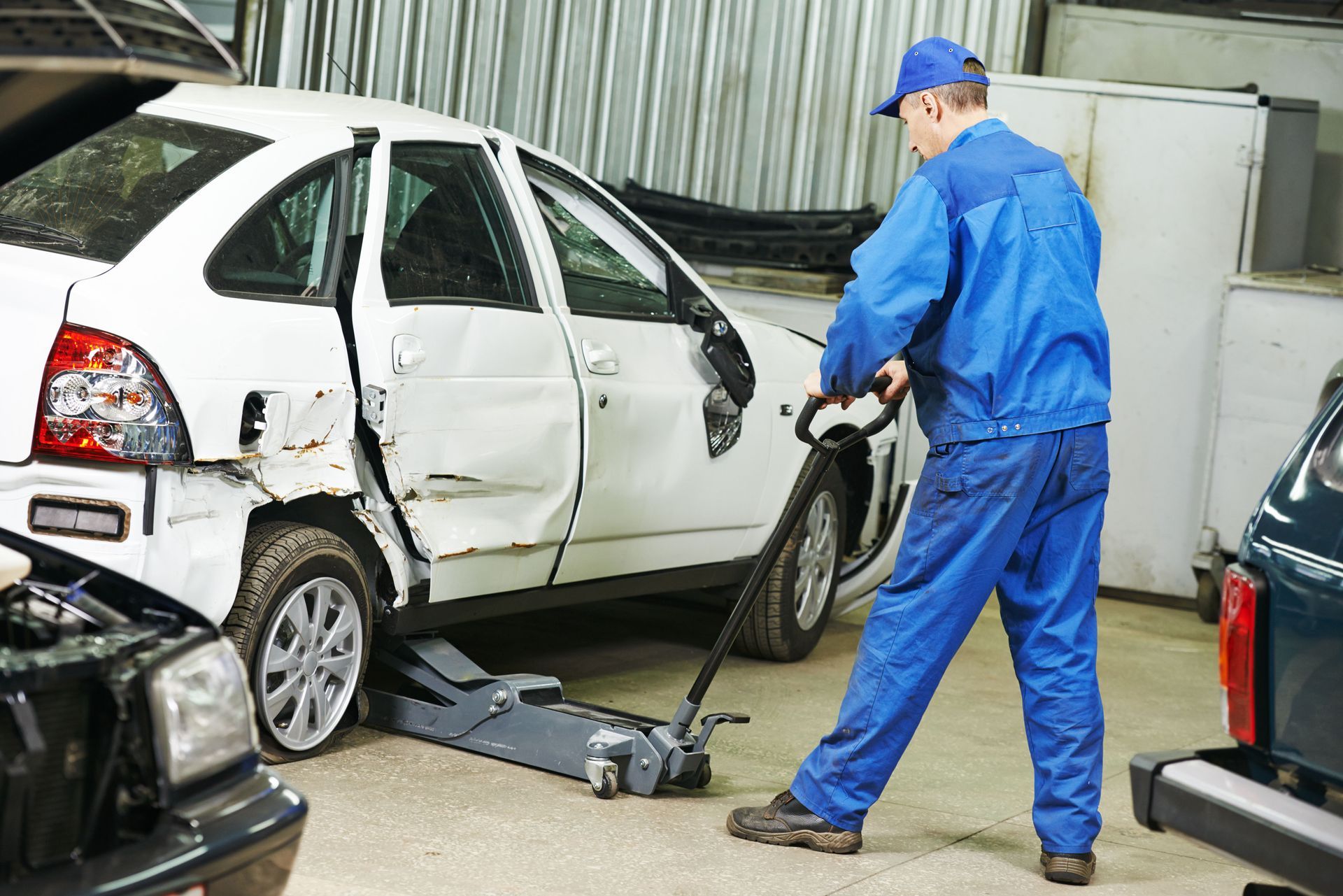
The first step in restoring a vehicle is a thorough damage assessment. Some problems are obvious right away, such as crushed panels, broken lights, scraped paint, or misaligned doors. Other issues may be less visible and require a closer look. Technicians typically inspect the exterior, check body alignment, examine structural areas, and review parts that may have been affected by impact. This early stage helps determine whether the damage is mostly cosmetic or whether it reaches deeper into the frame or supporting components.
A careful inspection also helps build a clear repair plan. When technicians understand the full scope of the damage, they can identify what parts can be repaired, what needs replacement, and what steps must happen first. This process helps prevent missed issues that could create problems later. A complete assessment gives customers a more accurate understanding of the repairs ahead and sets the foundation for a smoother restoration from beginning to end. This is one of the key ways local auto body shops help guide the repair process from the start.
Creating a Repair Plan That Fits the Vehicle
Once the damage has been evaluated, the next step is creating a repair strategy based on the vehicle’s condition. Not every restoration follows the same path because each accident affects a car differently. A repair plan may include dent removal, panel replacement, structural straightening, paint refinishing, or parts installation. The sequence matters because some work has to be completed before other steps can begin. For example, structural corrections usually come before refinishing and reassembly.
Planning also involves choosing the right repair methods for the make, model, and damage type. This is one reason local auto body shops play such an important role in vehicle restoration. They do not simply address the most visible flaw and move on. Instead, they build a step-by-step approach that supports the overall condition of the vehicle. A solid plan helps improve efficiency, keeps the work organized, and supports better results once the repairs are complete.
Repairing the Structure Beneath the Surface
Some of the most important restoration work happens beneath the visible outer panels. Even when the exterior damage does not look severe, an impact can affect the frame or other structural areas that support the vehicle. If these sections are bent or out of alignment, the vehicle may not perform as intended. Technicians may use specialized equipment to measure the frame, compare it to factory specifications, and make corrections where needed. This helps restore the shape and strength of the vehicle before cosmetic work begins.
Structural repair is a critical part of the restoration process because appearance alone does not tell the whole story. A car can look much better after surface work, but if the structure underneath is not properly corrected, the repair is incomplete. Straightening and reinforcing damaged areas helps support safer performance and a more accurate panel fit during later stages. By addressing what lies under the surface, technicians create a stronger foundation for the rest of the restoration.
Matching Paint and Refinishing the Vehicle
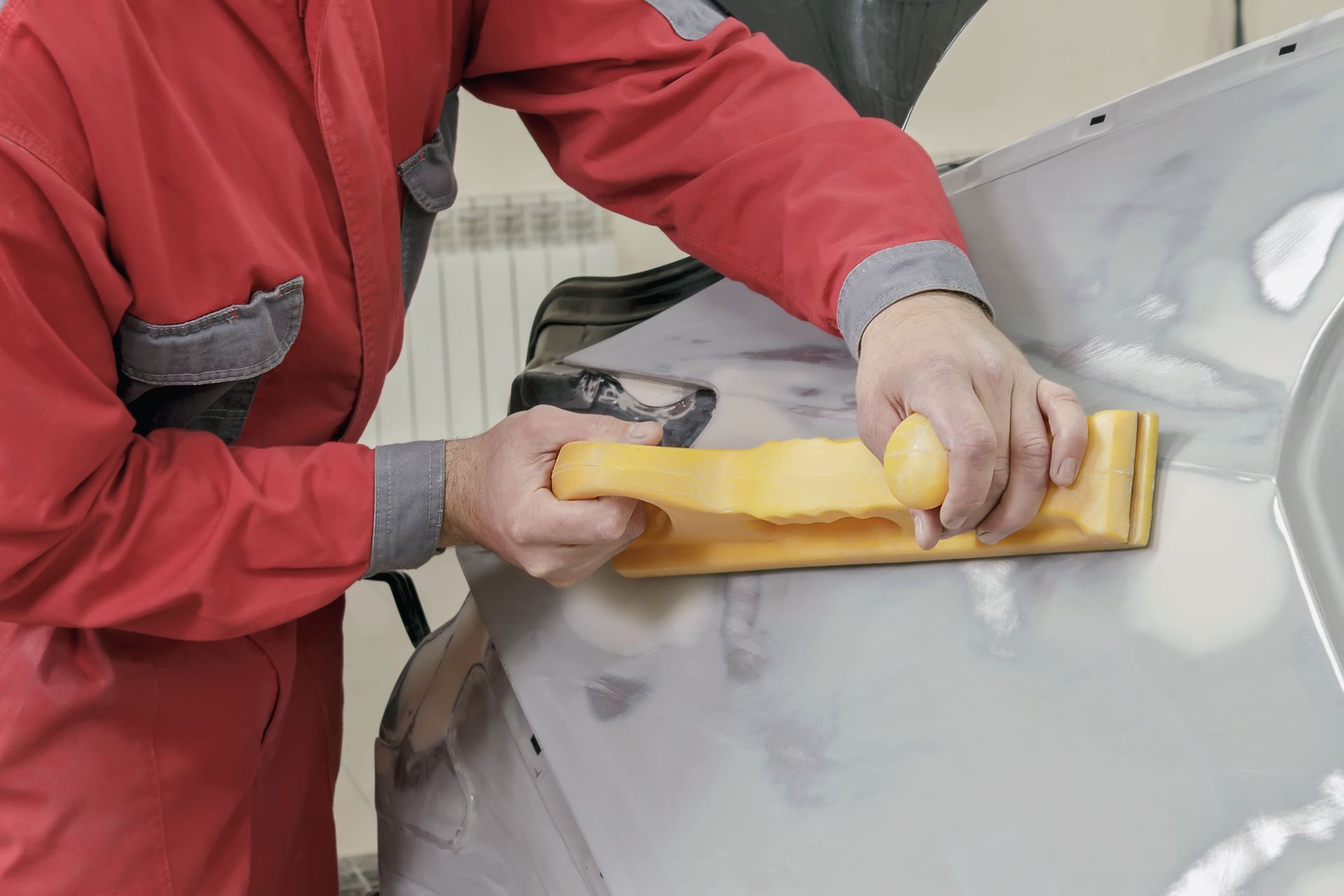
Paintwork is one of the most visible parts of vehicle restoration, but it involves more than spraying color onto a repaired panel. Before refinishing begins, surfaces are cleaned, sanded, and prepared so the paint can adhere properly. Technicians may apply primer, blend surrounding areas, and use color-matching methods to create a finish that works with the rest of the vehicle. A good match helps repaired areas blend more naturally, making the damage less noticeable once the project is complete.
Many local auto body shops place strong emphasis on this stage because paint quality affects the final appearance in a major way. If the color is off or the finish looks uneven, the restoration may still appear incomplete even after other repairs are done well. Careful refinishing helps restore shine, consistency, and overall visual appeal. It also helps protect repaired surfaces from weather exposure and everyday wear, adding another layer of value to the work.
Checking Quality Before Returning the Car
The final phase of restoration focuses on inspection and review. Once repairs, paintwork, and reassembly are complete, technicians typically examine the vehicle to confirm that panels are aligned, finishes look consistent, and repaired areas meet expectations. They may check doors, lights, trim, and other components to verify that everything fits and functions properly. This last review is an important step because it helps catch anything that may need adjustment before the vehicle is returned to the customer.
Quality control also reflects the professionalism that local auto body shops bring to the process. According to the U.S. Bureau of Labor Statistics, there are over 794,000 professionals working as auto service technicians. That number shows how large and important the automotive repair field is, but the quality of the finished result still depends on the care taken during each individual repair. Final inspections help support that level of care by confirming that the vehicle not only looks better, but also reflects the work that went into restoring it properly.
Supporting Drivers Through the Repair Process
Vehicle restoration is not only about repairing metal, paint, and parts. It also involves helping customers move through a stressful situation with a better understanding of what is happening to their car. Damage from an accident can disrupt routines and create uncertainty, especially when repairs are unfamiliar. Clear communication about the repair process, expected timelines, and completed work can make the experience easier to manage. Drivers often feel more confident when they know what steps are being taken and why each one matters.
Customer support is another reason people continue to rely on local auto body shops after an accident or other vehicle damage. A strong repair experience combines technical work with practical guidance, helping drivers feel informed while their vehicle is being restored. When the process is handled with care from inspection through final review, customers are more likely to feel comfortable with the results and with the decisions made along the way.
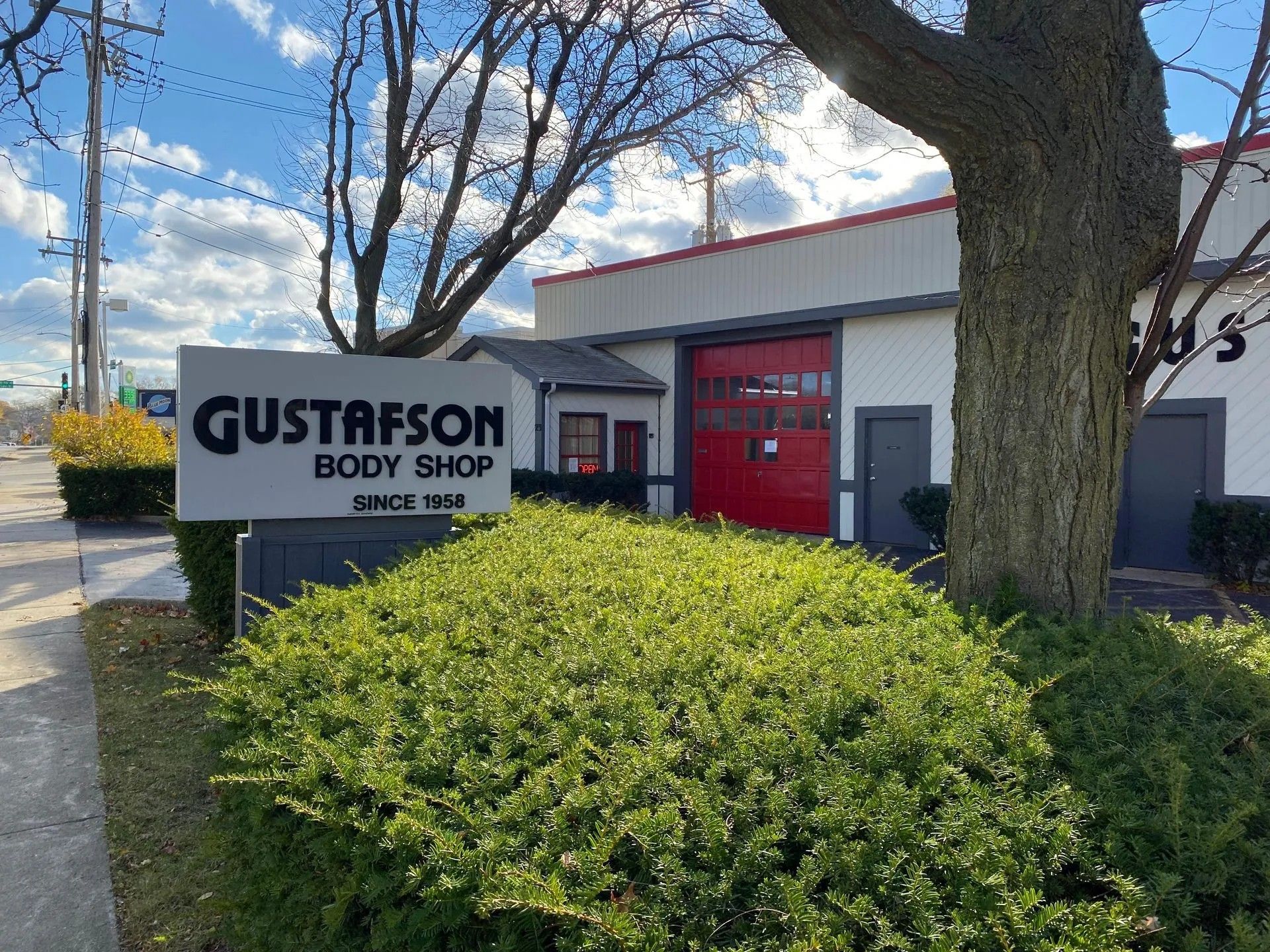
Restoring a damaged vehicle involves much more than correcting what is visible at first glance. It starts with a full inspection, continues through planning, structural correction, panel repair, paint refinishing, and final quality checks, and ends with a vehicle that is better prepared to return to the road. Each step has a purpose, and each one contributes to the final result in a meaningful way. When the process is handled thoughtfully, drivers can move forward with greater confidence in both the appearance and condition of their vehicle. Working with trusted local auto body shops can make this process smoother and more reliable. If your car needs professional repairs after damage, contact Gustafson Body Shop to learn more about your options and get started.