July 10, 2026
The increasing complexity of modern vehicles, advancements in automotive technology, and rising labor costs have led to a notable increase in the cost of collision repair services. This article explores the various factors contributing to this rise and its implications for consumers and the industry. Understanding these dynamics is crucial for stakeholders to adapt and optimize operational efficiency. The automotive repair industry must now contend with more sophisticated components and complex safety systems. The repercussions of these developments extend to insurance companies, consumers, and the supply chain, all of which must adapt to these evolving conditions.
1. The Evolution of Vehicle Design and Its Impact on Repair Costs
1.1. Advanced Safety Features
Modern vehicles are equipped with a plethora of advanced safety features, including adaptive cruise control, lane departure warning, and automatic braking systems. While these features enhance driver safety, they also increase the complexity and cost of repairs. The integration of multiple sensors and cameras means that even minor collisions can result in expensive fixes. When a bumper containing sensors is damaged, the cost of repair goes beyond the physical part to include realignment and recalibration of the sensors. As such, these technologies, while beneficial, have inadvertently contributed to the rising repair costs.
1.2. Use of High-Tech Materials
High-tech materials such as carbon fiber, aluminum, and high-strength steel are increasingly used in vehicle manufacturing to improve performance and fuel efficiency. These materials, although beneficial for minimizing vehicle weight and enhancing durability, are more difficult and expensive to repair than traditional materials. The necessity for specialized tools and techniques has driven up repair costs and elongated the service timeline. Moreover, repair facilities must invest heavily in training their technicians to handle these materials properly. While the benefits of using advanced materials are clear, they pose significant challenges and costs in the repair industry.
1.3. Integration of Complex Electronics
Vehicles today are becoming more like sophisticated computers on wheels, with numerous electronic components integrated into their systems. These electronics control various aspects of vehicle function, from navigation and infotainment to essential engine operations. When these systems are damaged, it can be costly and labor-intensive to diagnose and repair faults. Repair shops now often need specialized diagnostic tools and software to manage these complex systems effectively. The expertise required to troubleshoot and repair electronic issues adds another layer of expense to the repair process, highlighting the need for continuous training and equipment upgrades.
1.4. The Role of Sustainability in Vehicle Design
As environmental concerns become paramount, more manufacturers are prioritizing sustainability in their vehicle designs. This involves using recyclable materials and eco-friendly manufacturing processes which, while positive for the environment, often lead to higher initial costs. Repairing eco-friendly vehicles can be just as challenging due to the unique materials and designs tailored for sustainability. This trend requires repair technicians to adapt to new types of materials and components, further pushing the costs up. Consumers and manufacturers alike are grappling with the trade-off between sustainable vehicle design and increased repair expenses.
2. Labor Costs and Specialized Training
2.1. The Need for Skilled Technicians
The modern automotive repair landscape demands highly skilled technicians adept in both traditional mechanical repairs and advanced technological diagnostics. The diversification in vehicle designs has translated to significant skill requirements, as technicians must understand diverse vehicle platforms and corresponding repair protocols. This necessity for expertise has created a labor market where the demand for skilled tradespeople surpasses supply. Consequently, labor costs have surged since the level of expertise required significantly contributes to wage expectations. This shift towards a skill-intensive automotive repair sector elevates service costs dramatically over standard inflationary trends.
2.2. Certification and Training Requirements
Staying abreast with modern automotive technologies requires constant training and certification, which ensures that technicians maintain industry-relevant competencies. Continuous education in the form of certifications and training programs is crucial, as it provides technicians with the necessary skills to tackle diverse and advanced technological challenges. These educational investments, however, come at a cost that inevitably impacts repair service pricing. Automotive repair shops must decide between training investments and the possibility of falling behind in technological capabilities, further pressured by the rapid pace of automotive innovation. The necessity for certifications aligns with the increased repair costs seen across the industry.
2.3. Regional Variations in Labor Costs
Labor costs in the automotive repair industry can vary significantly based on geographical location due to factors like cost of living, regional economic conditions, and competition. In highly urbanized and densely populated areas, the demand for skilled labor is higher, resulting in elevated wage requirements. Conversely, rural areas may offer lower labor costs but might lack readily available specialized skills needed for modern vehicular repairs. These inconsistencies result in a wide range in service costs, creating a challenge for nationwide standardization in pricing. As collision repair demands increase nationwide, understanding these regional labor market dynamics becomes essential for the industry.
2.4. The Impact of Labor Unions
Labor unions play a significant role in shaping wage structures and working conditions within the automotive repair sector. While they aim to protect workers' rights by ensuring fair wages and safe working conditions, these endeavors can indirectly inflate service costs. Negotiations for higher wages, comprehensive benefits, and improved working conditions lead to increased operational costs for repair shops. Businesses must choose between passing these costs onto consumers or absorbing them, impacting overall profitability. Thus, labor unions, while beneficial for workers, contribute to the economic dynamics that drive up repair service pricing.
3. Insurance Dynamics and Consumer Costs
3.1. The Role of Insurance Companies
The interplay between insurance companies and the collision repair industry is complex, as it significantly influences repair service costs. Insurers play a crucial role by dictating coverage policies, deductible amounts, and repair shop networks, shaping how repair services are assessed and priced. The pressure on repair shops to keep costs low can lead to tensions with insurers, who seek to minimize their own expenditures while maintaining satisfactory service quality. This dynamic often results in a delicate balance between repair cost containment and quality assurance. Therefore, insurance companies hold substantial sway over how collision repair services evolve and are perceived by consumers.
3.2. Impact of Deductibles and Premiums
Consumer decisions regarding insurance deductibles and premiums have a direct impact on the collision repair industry. As repair costs rise, many consumers opt for higher deductibles to maintain manageable premium rates. This shift affects repair dynamics, as consumers face more out-of-pocket costs for lower-value claims. According to Autobody News, repairable appraisals for damages of $2,000 or less fell from 41.5% in 2019 to just 25.5% through mid-2025, a trend analysts attribute to consumers moving toward higher deductibles. Consequently, consumers and the industry alike must navigate these financial components strategically to optimize repair service delivery and cost-effectiveness.
3.3. Trends in Claim Frequency and Severity
Trends in insurance claim frequency and severity significantly influence pricing dynamics in collision repair services. While the frequency of claims might not directly correlate with repair costs, the severity of these claims undoubtedly does. As vehicle designs become more complex and expensive to repair, the severity and associated costs of claims have increased, driving up premiums. Insurance companies must adjust their underwriting strategies and premium structures to accommodate these trends. Such adjustments affect pricing across the industry, influencing how repair shops operate and how consumers experience repair services.
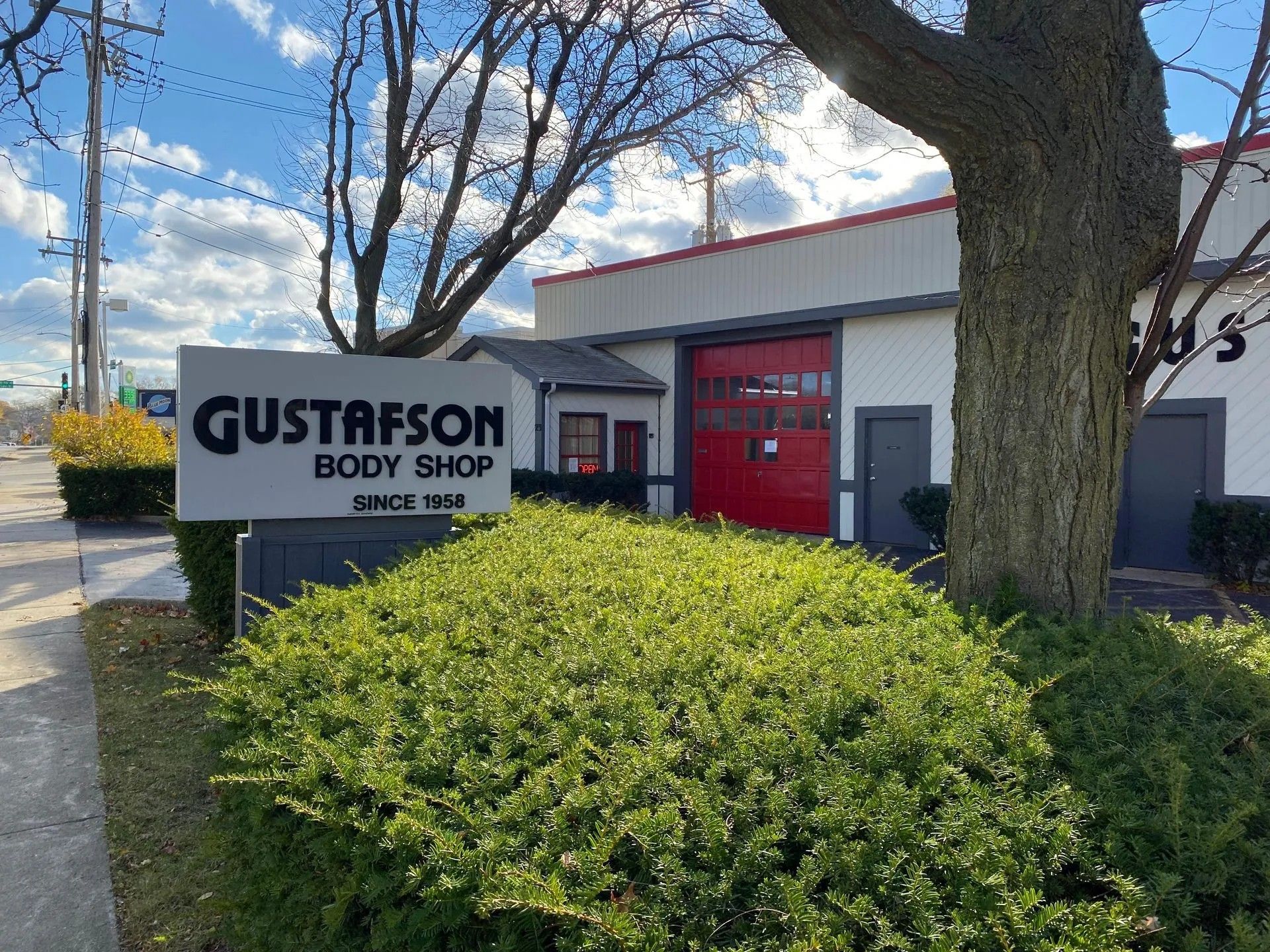
Insurance policies are subject to periodic renewal and adjustment, a process that can lead to shifts in premium rates and coverage areas. Insurers may alter policies based on changes in repair costs, vehicle technologies, and consumer claims behavior. These policy adjustments can cascade, impacting how consumers approach insurance and how repair shops strategize their operations. For both consumers and repair facilities, understanding insurance dynamics is key to making informed choices in a landscape shaped by evolving policy terms. As policies adapt to reflect industry trends, their influence is felt across the collision repair market. Be sure to reach out to Gustafson Body Shop today to learn more about our professional collision repair services!