August 28, 2026
When a vehicle is damaged in an accident, replacement parts can represent a significant portion of the overall repair process. Original equipment manufacturer parts are often valued because they are designed specifically for a particular vehicle make and model. However, changes in manufacturing expenses, tariffs, supply chains, and transportation costs can make these components more expensive. As OEM parts prices rise, vehicle owners, repair facilities, and insurance companies may all feel the effects.
Higher parts costs can influence far more than the final repair bill. They can affect insurance estimates, decisions about whether a vehicle is economically repairable, parts sourcing, repair timelines, and communication between customers and repair professionals. For drivers navigating collision repairs, understanding these factors can make an already stressful experience easier to manage.
Understanding How OEM Parts Costs Affect Repair Estimates
OEM parts are produced by or for the vehicle manufacturer and are designed to correspond with the specifications of a particular vehicle. Their pricing can vary considerably depending on the component, vehicle brand, manufacturing location, availability, and complexity. When manufacturers or distributors increase prices, those changes can quickly appear in repair estimates.
External economic factors can further complicate the situation. For example, according to Autobody News, tariffs could increase insurer costs for OEM parts by $100 to $150 per claim because many of those components are manufactured outside the U.S. Such changes illustrate how international manufacturing and trade conditions can eventually influence costs at the local repair level.
For customers, this means estimates for collision repairs may reflect economic conditions that neither the vehicle owner nor the repair facility can control. A detailed estimate and clear explanation of the required components can provide valuable context when repair costs are higher than expected.
Understanding How OEM Parts Costs Affect Insurance Decisions
Insurance companies play an important role in many accident-related repairs, especially when a customer files a claim under applicable coverage. Insurers review damage estimates and determine which expenses fall within the terms of the policy. When OEM parts become more expensive, insurers may examine parts choices and repair costs more closely.
Coverage for OEM components can depend on the individual insurance policy, vehicle, repair circumstances, and applicable requirements. Some policies may allow or specify certain replacement parts, while others may include provisions regarding alternative parts. Because coverage varies, vehicle owners benefit from reviewing their policies rather than assuming every component will automatically be replaced with an OEM equivalent.
Customers arranging collision repairs should understand that the shop and insurance company serve different roles. The insurer administers the claim according to the policy, while the repair facility evaluates the physical damage and performs the authorized work. Clear communication among everyone involved can help address questions about parts selection, costs, and necessary procedures.
Understanding How OEM Parts Costs Affect Parts Selection
Rising OEM prices can bring greater attention to the different categories of replacement parts available in the automotive repair industry. Depending on the vehicle and circumstances, repair plans may involve OEM, aftermarket, recycled, or other appropriate components. Each category has different characteristics regarding source, availability, fit, price, and condition.
Price alone should not determine whether a component is appropriate. Modern vehicles incorporate increasingly sophisticated safety, structural, electronic, and driver-assistance systems. A seemingly straightforward exterior component may interact with sensors or other technology, making compatibility an important consideration. Repair professionals must evaluate what is suitable for the specific vehicle rather than approaching every replacement decision in the same way.
As OEM prices increase, customers considering collision repairs may hear more discussion about alternative components. A professional repair facility can explain why a particular part is being recommended and how that choice relates to the repair plan. This transparency helps customers focus on suitability and repair quality instead of evaluating options solely according to their initial price.
Understanding How OEM Parts Costs Affect Repair Timelines
Cost is not the only concern associated with OEM components. Availability can be equally important. Automotive parts travel through complex supply chains involving manufacturers, distribution centers, transportation networks, dealerships, and repair facilities. Disruptions anywhere within that system can affect when a needed component arrives.
When costs rise because of tariffs, manufacturing changes, or supply constraints, availability may change as well. Some components may remain easy to obtain, while others could require additional sourcing time. Vehicle-specific parts, newly introduced components, or items affected by manufacturing disruptions can create delays that are outside the repair facility’s direct control.
For this reason, communication is an important part of managing collision repairs. Repair facilities can keep customers informed about parts orders, expected availability, and changes that may affect completion. Although accurate communication cannot eliminate supply-chain disruptions, it can help customers plan around them and understand why a repair timeline may change.
Understanding How OEM Parts Costs Affect Total Loss Evaluations
Increasing parts prices can also influence situations in which an insurer evaluates whether repairing a damaged vehicle makes economic sense. A repairable vehicle is not necessarily one that an insurer will choose to repair under every claim. The relationship between repair expenses, vehicle value, policy terms, and applicable regulations can influence a total loss determination.
This possibility does not mean that rising OEM prices automatically cause damaged vehicles to be declared total losses. Every claim has its own circumstances. Vehicle condition, value, extent of damage, labor requirements, parts needs, and insurer methodology may all contribute to the decision.
Drivers seeking collision repairs after substantial accident damage may therefore encounter conversations about vehicle value as well as repair feasibility. A thorough damage assessment provides important information for that process. Repair professionals can identify visible and underlying damage, document necessary procedures, and develop an estimate that more accurately represents what restoring the vehicle would require.
Understanding How OEM Parts Costs Affect Repair Quality
Cost pressures can create understandable concern among vehicle owners who want their vehicles restored properly without facing unnecessary expenses. However, a higher component price does not change the fundamental objective of professional repair work: restoring damaged areas using appropriate procedures, equipment, materials, and parts.
Customers evaluating collision repairs can benefit from asking how a shop determines appropriate repair procedures and replacement components. A facility that communicates clearly about the work can help customers understand what is required and why. That knowledge becomes particularly valuable when rising OEM prices make repair estimates more complicated or create questions about available alternatives.
Understanding How OEM Parts Costs Affect Customer Expectations
Accident damage often occurs unexpectedly, leaving vehicle owners to make important decisions while dealing with transportation needs, insurance paperwork, and financial concerns. Rising OEM parts costs add another layer of uncertainty, particularly for customers who have not needed body work recently.
Ultimately, successful collision repairs require coordination among several parties and careful attention to the vehicle itself. Higher OEM prices may change the financial environment surrounding the work, but informed planning and transparent communication can help customers navigate those changes with greater confidence.
Understanding How OEM Parts Costs Affect Your Next Steps
Higher OEM parts prices are becoming an increasingly important consideration in automotive repair. Their effects can extend through estimates, insurance decisions, parts sourcing, repair schedules, and total loss evaluations. At the same time, vehicle technology continues to make proper parts selection and manufacturer-informed repair procedures important considerations for restoring damaged vehicles.
Drivers do not need to become experts in automotive supply chains or insurance estimating systems to make informed decisions. They do, however, benefit from working with professionals who can explain the repair process, identify appropriate components, communicate about changing costs, and address questions about parts availability. Understanding why an estimate looks the way it does can make the experience considerably less confusing.
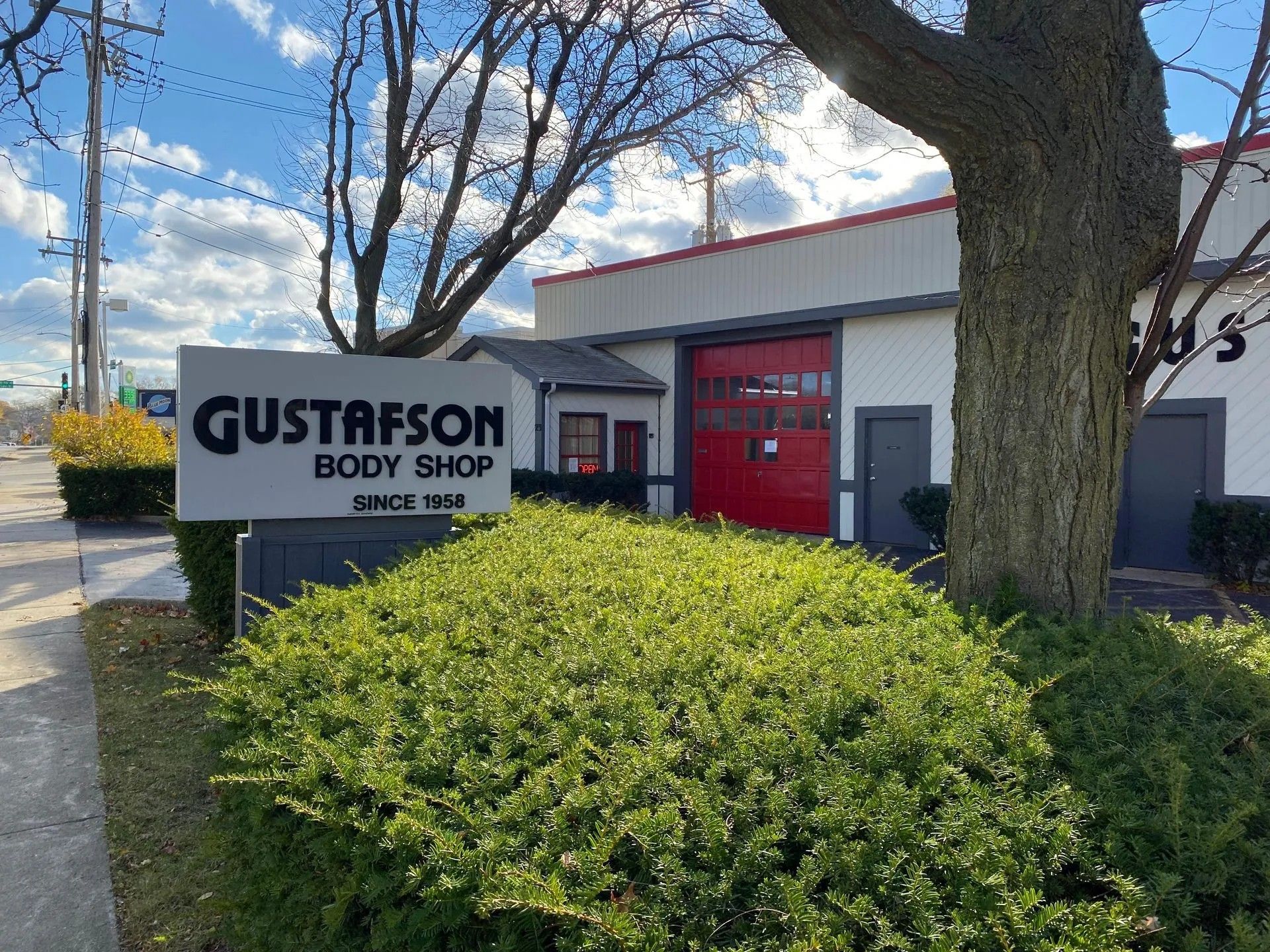
When your vehicle needs professional attention after an accident, Gustafson Body Shop is ready to help. We can evaluate the damage, explain the repair process, and help you understand the parts and procedures involved. Contact us to discuss your vehicle’s needs and learn how our team can help restore it with careful attention to quality and safety.